Events
Joygopalpur Youth Development Center (JYDC)
Mangrove Restoration Experience
Joygopalpur Youth Development Centre (JYDC), established in 1996 and registered under the West Bengal Societies Registration Act, has been working for over 26 years in the ecologically fragile region of the Sundarbans. Operating across North and South 24 Parganas, JYDC integrates environmental conservation with sustainable livelihood development, particularly for marginalized and climate-vulnerable communities.
Mangrove restoration forms a core component of JYDC’s Natural Resource Management (NRM) initiatives.
________________________________________
Our Experience in Mangrove Restoration
1. Climate-Resilient Livelihoods & Mangrove Restoration
JYDC combines mangrove restoration with climate-resilient livelihood strategies. Alongside plantation drives, communities are trained in:
• Sustainable fishing practices
• Beekeeping
• Eco-tourism
• Alternative income generation activities
Impact:
This integrated approach has strengthened climate resilience, improved biodiversity, and reduced pressure on fragile mangrove ecosystems.
________________________________________
2. Community-Based Mangrove Management
JYDC follows a participatory model where local villagers, Self-Help Groups (SHGs), and fisherfolk are directly involved in:
• Site selection and planning
• Plantation activities
• Monitoring and protection
• Sustainable resource management training
Impact:
Community ownership has resulted in higher survival rates of saplings, improved environmental awareness, and enhanced livelihood security.
________________________________________
3. Large-Scale Mangrove Restoration in the Sundarbans
JYDC has actively participated in restoring mangrove habitats across multiple blocks of the Sundarbans. Through systematic plantation and continuous monitoring, thousands of hectares of degraded areas have been revitalized.
Impact:
• Strengthened natural bio-shields against cyclones and tidal surges
• Reduced coastal erosion
• Improved fish breeding habitats
• Increased ecological stability
________________________________________
Key Success Factors
Community Engagement
With over two decades of grassroots presence, JYDC has built strong trust within local communities. Every project is community-driven, ensuring sustainability and local accountability.
Capacity Building
Regular training and awareness programs help communities understand the ecological importance of mangroves and adopt sustainable practices.
Sustainable Livelihood Integration
Mangrove restoration is linked with income-generating activities, reducing dependency on forest exploitation.
Strong Institutional Collaboration
JYDC works in collaboration with government bodies, research institutions, and reputed organizations such as WWF-India, NABARD, and academic institutions to ensure scientific and policy-aligned implementation.
________________________________________
Our Commitment
Mangrove restoration is not just an environmental activity for JYDC—it is a pathway toward:
• 🌿 Ecosystem restoration
• 🌊 Coastal protection
• 🌍 Climate change mitigation
• 👨👩👧 Sustainable livelihoods
• 💚 Long-term community resilience
Through a participatory and integrated approach, JYDC continues to promote nature-based solutions that secure both ecological balance and socio-economic development in the Sundarbans.
_________________________________________________________________________________________________________
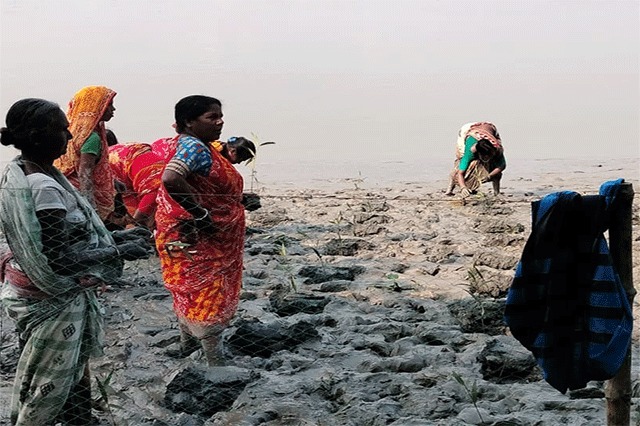
Experimental Mangrove Plantation Project
Jeliakhali Purba Khanda, Sandeshkhali-II, North 24 Parganas
Project Overview
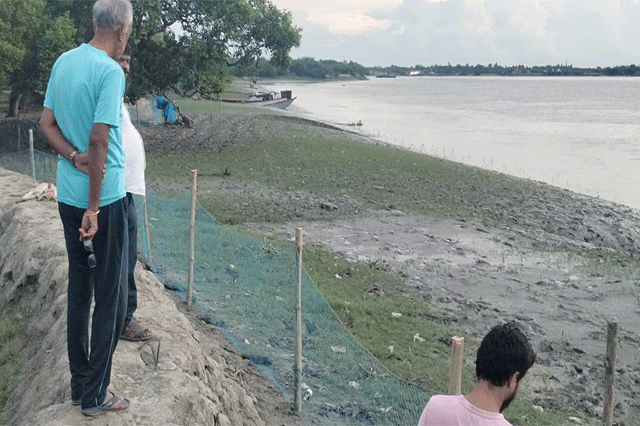
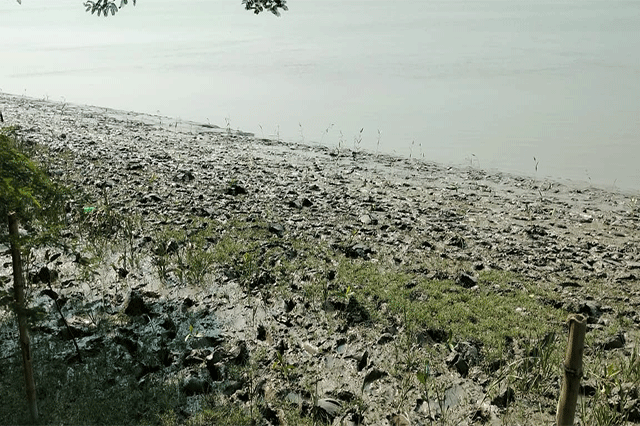
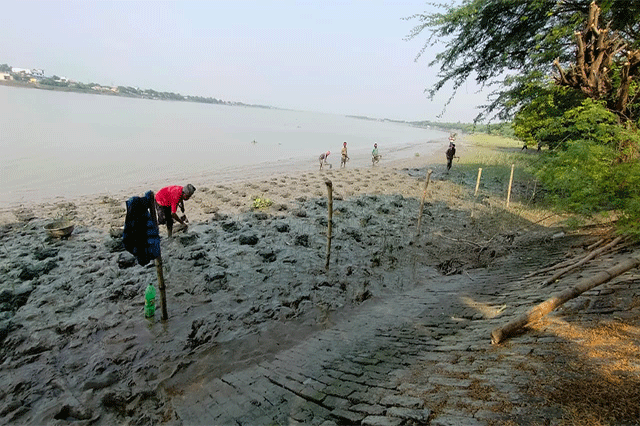
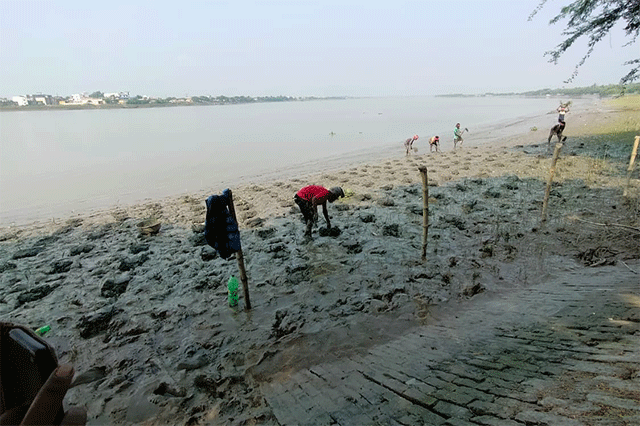
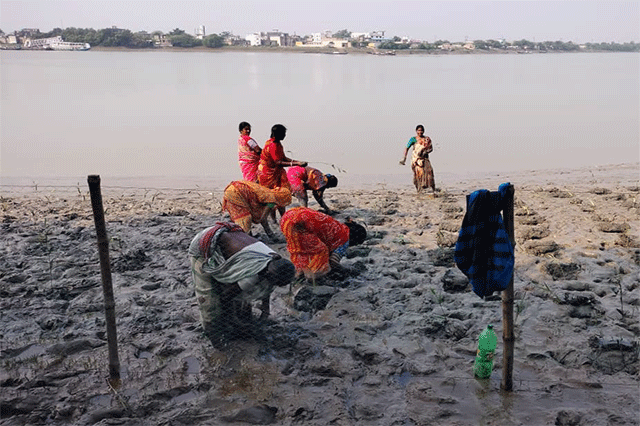
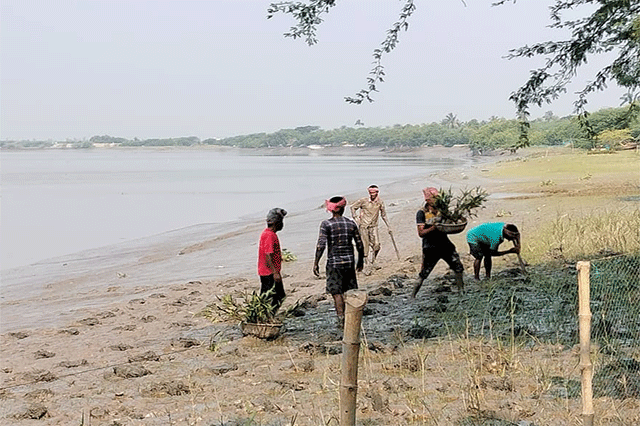
The Experimental Mangrove Plantation Project at Jeliakhali Purba Khanda was initiated by Joygopalpur Youth Development Centre (JYDC) in collaboration with WWF-India (Sundarban Programme). The plantation drive commenced on 06 May 2022, just before the onset of the monsoon, ensuring favorable climatic conditions for sapling survival.
Location:
Jeliakhali Purba Khanda (beside a brackish water fishery), Jeliakhali village, Sandeshkhali-II Block, North 24 Parganas, West Bengal — within the ecologically sensitive Sundarbans region.
A Unique and Innovative Approach
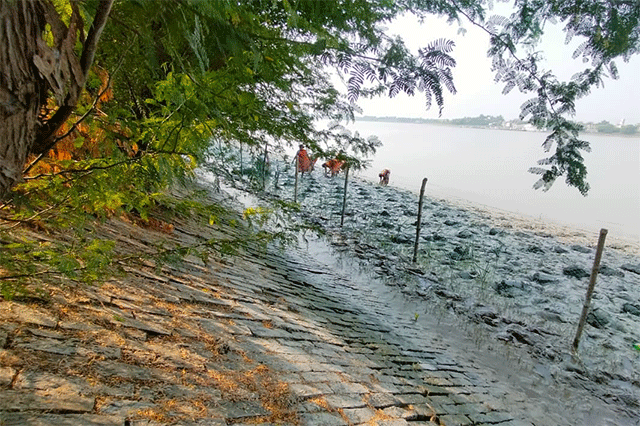
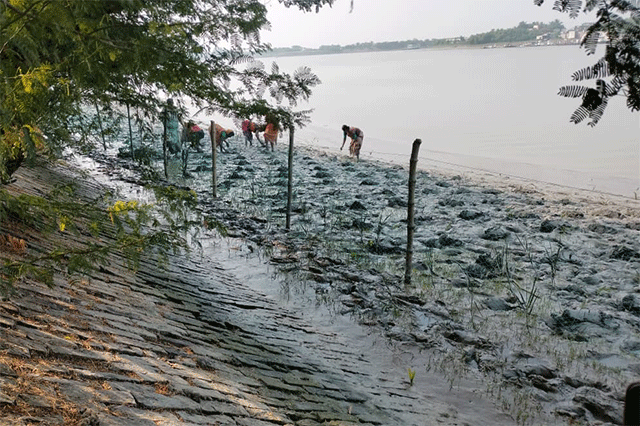
Unlike conventional mangrove plantations that focus mainly on riverbanks, this project adopted a non-traditional, experimental model by selecting the brackish water fishery embankment area for plantation.
The objective was to integrate:
- 🌱 Mangrove ecosystem restoration
- 🐟 Sustainable fish farming
- 🦐 Prawn culture support
- 🌍 Climate resilience and carbon sequestration
- 👨👩👧👦 Community-based livelihood enhancement
This integrated approach reflects JYDC’s long-standing commitment to climate-resilient livelihood models in coastal ecosystems.
Species Planted
A total of 600 mangrove saplings were planted:
- Bain (Avicennia) – 500 nos.
- Gorjon (Rhizophora) – 500 nos.
- Kakra (Bruguiera) – 500 nos.
These species were carefully selected due to their adaptability to saline conditions and their ecological importance in strengthening coastal buffers.
Implementation Process
The project followed a participatory and community-driven approach, reflecting JYDC’s 26+ years of grassroots engagement in the Sundarbans:
- Consultation with WWF-India and site selection of a heterogeneous brackish water area.
- Prior information and discussion with local villagers and local administration.
- Fixing of plantation date upon community consent.
- Procurement of quality mangrove saplings from local vendors.
- Joint plantation drive involving JYDC members, WWF representatives, and villagers.
- Formation of a local monitoring group to ensure survival and maintenance of saplings.
This ensured community ownership, sustainability, and long-term monitoring of the plantation site.
Experience & Learning of JYDC
Drawing from its extensive experience in Natural Resource Management (NRM) and community-based mangrove restoration across North and South 24 Parganas, JYDC observed the following key insights:
- Community Engagement is Critical: Long-term trust and SHG networks significantly improved participation and accountability.
- Integrated Livelihood Model Works: Plantation near brackish fisheries demonstrated potential synergy between ecological restoration and aquaculture productivity.
- Climate Resilience: Mangroves act as natural bio-shields against cyclones, tidal surges, and coastal erosion—highly relevant in post-Aila Sundarbans.
- Capacity Building Ensures Sustainability: Entrusting villagers with monitoring responsibilities strengthened ownership and ecological awareness.
The Experimental Mangrove Plantation at Jeliakhali Purba Khanda stands as a model initiative combining ecological restoration with livelihood security. Through strategic collaboration, community participation, and scientific species selection, JYDC has demonstrated how mangrove restoration can go beyond conservation and become a tool for climate resilience, sustainable aquaculture, and socio-economic empowerment in the Sundarbans.
This initiative reinforces JYDC’s vision of promoting nature-based solutions for sustainable coastal development.